AOC’s 48-Hour Ultimatum: Inside the Confrontation That Shook Washington’s Power Structure
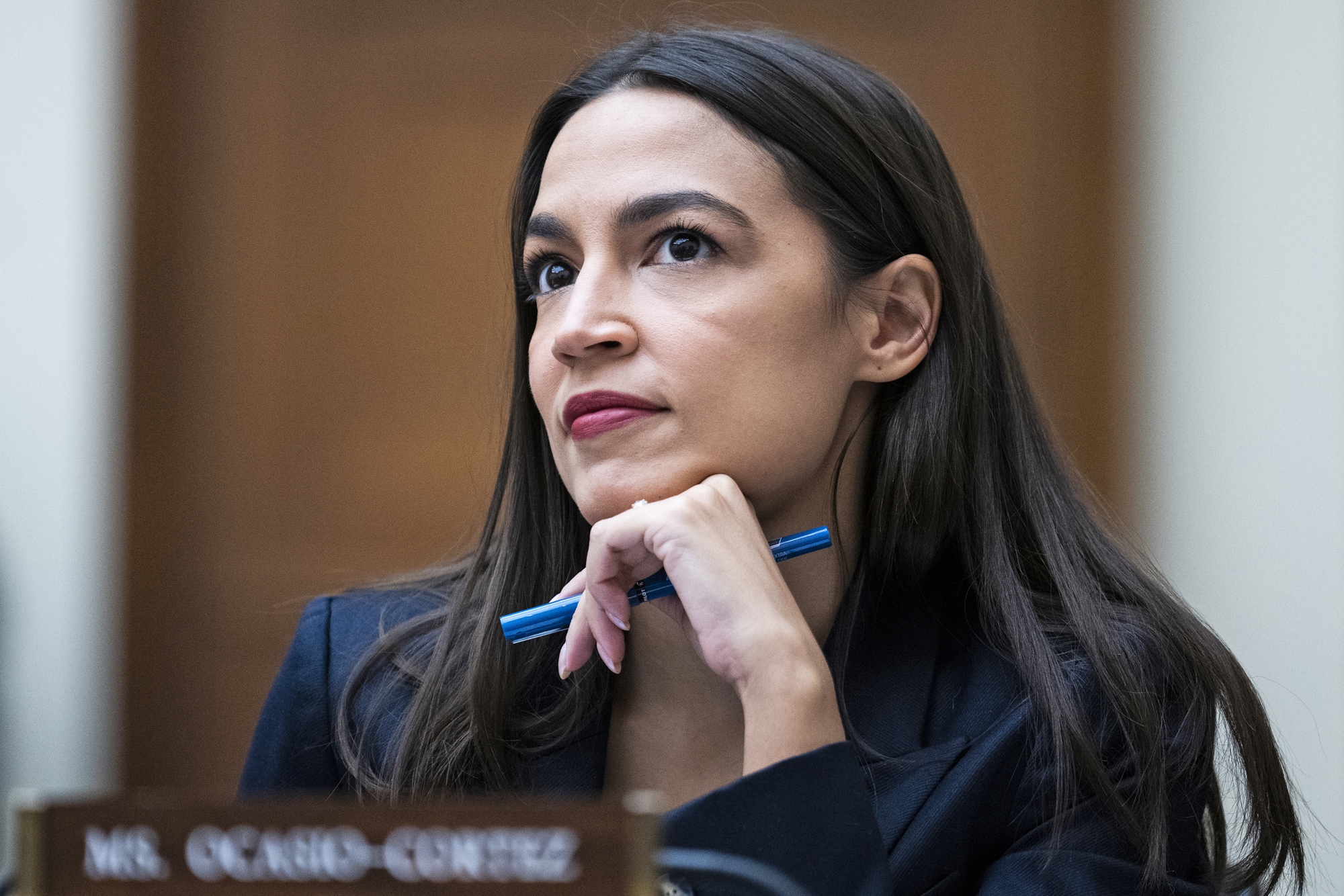
When Representative Alexandria Ocasio-Cortez (AOC) delivered a stark, time-stamped ultimatum to Defense figure Pete Hegseth during what was expected to be a routine oversight hearing, the political ecosystem in Washington shifted instantly. What occurred in those minutes was not merely a heated exchange—it was the ignition point of a national reckoning, one that forced institutions, leaders, and the public to confront uncomfortable questions about accountability, authority, and the growing impatience of a new generation of lawmakers.
The confrontation did not resemble the performative sparring that often characterizes Capitol Hill. Instead, it carried the precision of a legal deposition and the gravity of a crisis briefing. AOC leaned into her microphone, her tone measured but unmistakably cold, and informed Hegseth that he had exactly forty-eight hours to resign his position. If he refused, she said, she would make public a series of documents that she claimed could expose misconduct serious enough to place him behind bars.
For a moment, the chamber froze. Reporters glanced toward one another, unsure whether they had misheard. But AOC repeated the warning with sharper clarity, leaving no ambiguity: this was an ultimatum backed not by rhetoric, but by evidence she declared ready for immediate release.
The ripple effect began instantly.
A Hearing Turns Into a Flashpoint

Those in the room later described the shift as “palpable”—a collective understanding that AOC had crossed from political critique into a direct challenge backed by alleged documentation. Lawmakers whispered to staffers; journalists scrambled to draft alerts; cameras swiveled to capture Hegseth’s reaction.
He attempted composure, but the tension in his posture betrayed unease. AOC continued uninterrupted, outlining accusations that went far beyond procedural disagreements. She charged Hegseth with manipulating military directives, mishandling classified decision-making processes, and abusing his authority in ways she argued put service members and national integrity at risk.
Each sentence was delivered deliberately, as if crafted in advance with legal scrutiny in mind. Observers noted that AOC’s tone lacked fire but brimmed with certainty—the kind associated not with conjecture, but with documents already tabulated and prepared.
As she concluded, she reiterated that the forty-eight-hour deadline was real, not symbolic. “When the window closes,” she said, “the full record goes public.”
Within minutes, the hearing was no longer a hearing. It was breaking news.
Media Frenzy and Nationwide Debate

Newsrooms abruptly cut into programming with banner alerts describing the public confrontation. Social media exploded with clips of the exchange, many replayed millions of times within hours. Commentators, analysts, and political operatives rushed to interpret what they had witnessed.
Supporters praised AOC’s decisiveness and courage, arguing that she articulated concerns that insiders had whispered for months—misconduct, irregular directives, and possible misuse of classified information. Critics accused her of political grandstanding, but even they conceded that AOC’s reputation for rigorous preparation meant she was unlikely to issue such an ultimatum without substantial backing.
By evening, cable panels were dissecting every frame of the interaction. Military analysts expressed alarm at the implications. If her allegations proved credible, they said, the consequences could cascade into broader defense investigations and potentially expose systemic vulnerabilities.
The story had evolved from a confrontation into a national crisis narrative.
What the Documents Allegedly Contain
Behind the scenes, aides familiar with the material offered guarded descriptions. According to one staffer, the documents included internal memos, whistleblower statements, and communications logs that pointed to what they called “undeniable red flags.”
Among the reported issues:
Unapproved directives allegedly issued without proper authorization
Potential manipulation of operational recommendations
Misuse of resources tied to military decision-making channels
Patterns of internal dissent that were dismissed or suppressed
If validated, these details could undermine Hegseth’s public assertions of procedural compliance.
Hegseth’s allies rushed to frame AOC’s accusations as misunderstandings of routine military operations. But their explanations appeared inconsistent, and analysts quickly pointed out discrepancies in their statements.
The question grew larger than Hegseth himself: How could such actions, if true, have gone unaddressed by the institutions tasked with oversight?
White House and Pentagon Scramble
As the story dominated headlines, White House officials reportedly launched rapid internal reviews to determine the scale of potential risk. Senior advisers, legal teams, and communications strategists held late-night sessions evaluating how much evidence AOC might actually hold and whether the administration could be exposed to collateral political damage.
Within the Pentagon, whispers spread rapidly. Some insiders speculated about imminent leadership shifts, while others began quietly preparing contingency plans should AOC release material triggering formal investigations.
Even high-ranking officials admitted privately that AOC’s move represented a dramatic escalation in congressional oversight—one that could inspire other lawmakers to challenge defense leadership with similar boldness.
Silence as Strategy
After issuing her ultimatum, AOC declined interviews and refrained from further public comment. Her strategic silence created a vacuum that put pressure squarely on Hegseth and his team, who had to respond without knowing which documents might emerge—or when.
Political strategists noted that her refusal to elaborate served two purposes:
It intensified the psychological weight of the deadline
-
- , forcing Hegseth’s camp into defensive mode.
It prevented the opposition from pre-emptively countering her evidence
- , as no details had yet been disclosed.
Every statement from Hegseth risked contradiction by unseen documents. Every reassurance from his allies risked becoming fodder for future scrutiny.
By contrast, AOC’s silence projected confidence.
Public Response and Emerging Divisions
As the confrontation spread into public discourse, rallies formed across major cities demanding increased transparency within the defense establishment. Online, the debate intensified. Was AOC acting recklessly? Or was she embodying the accountability that many Americans believed Washington had long abandoned?
Editorial boards weighed in. Some praised her for cutting through bureaucratic paralysis and exposing what they called “structural complacency.” Others warned that public confrontations of this scale destabilize institutions and erode the confidentiality required for national security operations.
Yet across ideological lines, one sentiment was consistent: the old norms of deference toward defense leadership were eroding.
AOC had drawn a line—and millions were watching to see who would cross it.
A Broader Challenge to Authority
Observers noted that the emotional weight behind AOC’s challenge derived not from partisanship but from her long history advocating for working-class service members. Many of these individuals face harsh repercussions for small infractions while senior officials often evade scrutiny.
Her confrontation with Hegseth symbolized a deeper question:
Why are those with the most authority often the least accountable?
Younger lawmakers, analysts said, are increasingly unwilling to accept that double standard. AOC’s ultimatum signaled a generational shift—one in which transparency is demanded rather than requested, and authority is not immune to public challenge.
Internal Leaks Intensify the Crisis
As journalists continued probing, leaks emerged suggesting multiple staffers had raised concerns about Hegseth’s decisions long before AOC took action. These revelations indicated that the alleged misconduct might not be isolated but part of a broader pattern that internal channels failed—or refused—to address.
Some reports also hinted that federal inquiries into defense mismanagement were already quietly progressing, raising the possibility that AOC’s evidence intersected with ongoing investigations. If so, her ultimatum could accelerate or influence those processes significantly.
Hegseth issued a late-night statement insisting he had nothing to hide. Yet critics noted the defensive nature of his language and pointed out that he did not directly deny several categories of alleged misconduct.
The Countdown Becomes a National Event
As the forty-eight-hour deadline approached, news outlets displayed countdown clocks. Analysts speculated on possible outcomes:
Would Hegseth resign? Would he attempt to shift blame to subordinates? Or would AOC begin releasing documents piece by piece?
Political insiders reported that party leadership might pressure her to soften her stance, but sources close to AOC said she had no interest in compromises or backroom deals. Her objective, they said, was structural—not personal.
Meanwhile, legal experts warned that if any portion of the evidence involved classified material, AOC would need to navigate complex legal channels to release it without triggering national security violations. This only heightened anticipation.
The country waited.
A System Confronted
Regardless of how the confrontation ultimately resolves, analysts agree on one conclusion: AOC succeeded in exposing latent fractures within the defense establishment and revealing the gaps in oversight that allow powerful actors to operate with minimal accountability.
Her ultimatum forced questions that Washington has long avoided:
Who polices those who oversee national defense?
How much authority is too much?
And what happens when a lawmaker refuses to accept silence as the price of stability?
AOC did not merely challenge Pete Hegseth. She challenged the architecture of authority that insulated him.
A Catalyst, Not a Moment
In the broader landscape of American governance, this confrontation represents a turning point. It shows that political courage—when paired with documentation and deliberate strategy—can reshape national conversations in ways that transcend partisanship.
AOC’s forty-eight-hour ultimatum was more than a headline. It was an indictment of a system that has long tolerated opacity in the name of security, and a signal that emerging leaders are no longer willing to tolerate that balance.
Whether Hegseth resigns, fights back, or faces investigation, the precedent has been set.
A lawmaker publicly challenged a defense authority with the confidence of someone holding the receipts—and the nation paused to watch.
The message is unmistakable:
Accountability is no longer optional, and those who assume public power without transparency should prepare for a world where silence is no longer protection.