Gil Ofarim’s Descent: From Dschungelcamp King to Controversial Figure – Is His Redemption Attempt a Publicity Stunt?
Gil Ofarim’s rise to fame through Dschungelcamp seemed like the perfect story of a reality TV contestant conquering the public’s heart.
After winning the popular German reality TV show in 2021, Ofarim’s reputation was further cemented by his strong public presence,
which many believed to be his moment of redemption. However, beneath the glitter of his success, a series of controversies have marred his image, culminating in a public scandal that threatens his career and legacy.
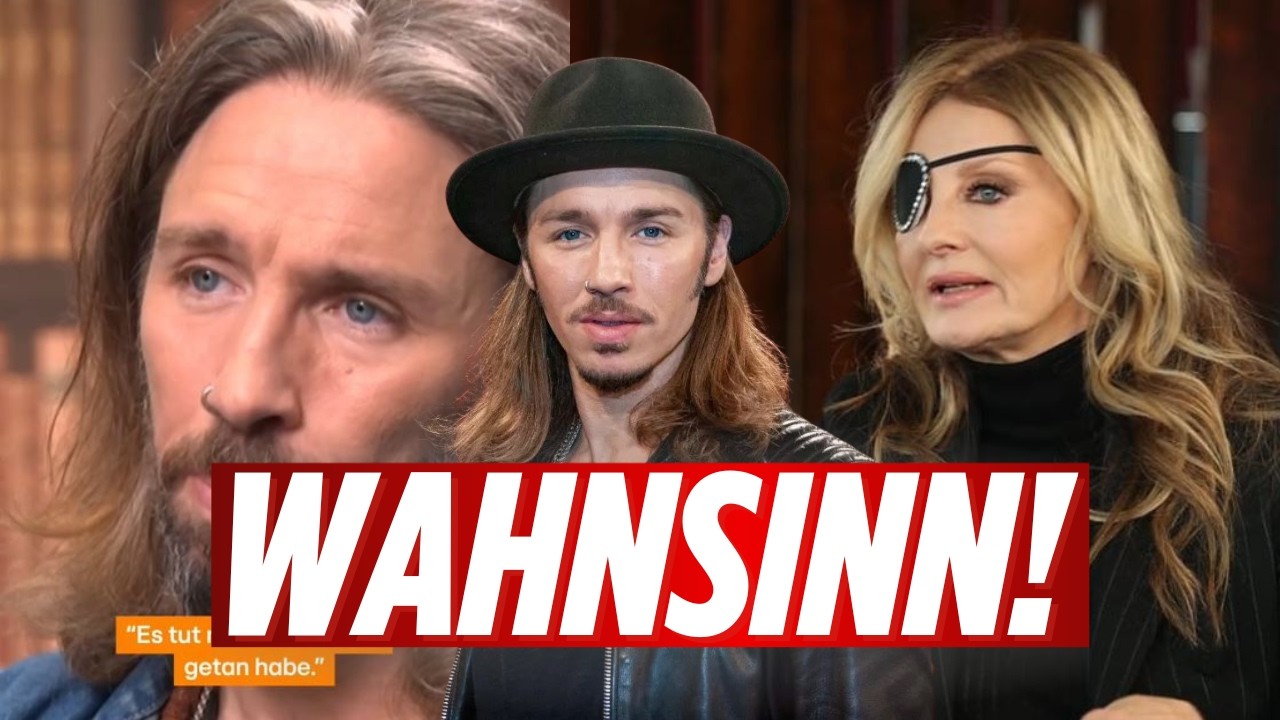
The Glory Days of Dschungelcamp
Gil Ofarim, a musician and TV personality, first gained attention in the entertainment world long before his Dschungelcamp win. He had already carved out a name for himself, but it was his participation in the reality TV show that propelled him into national prominence. His image as the “nice guy” and the more morally upright contestant helped him gain a loyal fanbase, leading to his ultimate victory. The public seemed to see Ofarim as a likable, sympathetic figure who had a relatable journey of self-discovery.
However, this narrative was soon disrupted by a shocking scandal that changed the course of his public image.
The Hotel Incident and Antisemitism Allegations
The major turning point in Ofarim’s career came with his accusation of antisemitism in 2021, which quickly became the subject of intense media scrutiny. Ofarim had claimed that a hotel worker in Leipzig had asked him to remove his Star of David necklace, threatening not to give him a room unless he complied. This dramatic story was shared by Ofarim on his social media, and it caused widespread outrage, particularly in the Jewish community. It quickly spiraled into a public scandal, with many rallying behind him, condemning the hotel worker’s alleged actions.
However, as investigations unfolded, it became clear that Ofarim’s claims were false. He later admitted in court that he had fabricated the story, causing significant harm to the hotel worker, who lost his job and faced death threats. The emotional distress caused by this lie prompted serious discussions about the responsibility of public figures when making such serious allegations. The backlash was swift, and many of Ofarim’s supporters began to question his integrity.
The Apology and Public Backlash
After admitting the truth, Ofarim was fined 10,000 Euros for his false accusations. Despite the apology, public opinion remained divided. Many felt that his apology was insufficient and that he had failed to fully take responsibility for the damage he had caused, both to the hotel worker and to the Jewish community. Ofarim’s attempts to downplay the severity of the situation in various interviews were criticized for lacking sincerity. In a notable appearance on the talk show Frauke Ludewig, Ofarim tried to shift the narrative by emphasizing his personal struggles, citing his time in a psychiatric clinic and his personal battles.
His attempt to steer the conversation towards his own challenges was seen by many as a diversion tactic, aimed at minimizing the significance of his earlier actions. Critics argue that rather than acknowledging the full extent of his wrongdoing, Ofarim continued to portray himself as a victim of circumstances. This has led to skepticism about his genuine remorse.

Redemption or Publicity Stunt?
Despite the intense backlash, Ofarim’s career seemed to bounce back after his Dschungelcamp victory. However, the cracks began to show again as more details of his behavior emerged. His post-Dschungelcamp interviews, where he repeatedly deflected blame and emphasized his victimhood, left many questioning whether he truly had learned from his mistakes. Instead of offering a sincere, public apology to the affected hotel worker or the Jewish community, he appeared to prioritize his own image rehabilitation.
This has led many to speculate about his motivations. Is he genuinely seeking redemption, or is he simply trying to repair his damaged public persona? With an increased focus on self-promotion through media interviews and appearances, Ofarim’s actions seem to raise important questions about the intersection of fame, responsibility, and media manipulation.
The Dangers of Media Manipulation
Gil Ofarim’s story is a potent reminder of the power and pitfalls of media in shaping public perception. In a world where celebrity culture dominates, public figures like Ofarim often rely on media exposure to repair their images after scandals. However, this raises important ethical questions. How much of a public figure’s image is shaped by the media, and how much of it is based on genuine personal growth and accountability?
In the case of Ofarim, the media has played a pivotal role in both building and damaging his reputation. While he initially benefited from positive media coverage following his Dschungelcamp win, his media appearances post-scandal have been far more contentious. His frequent attempts to shift blame and play the victim in interviews, while maintaining his celebrity status, highlight the growing issue of media manipulation in the age of social media and reality TV.
Public Divides: The Call for Accountability
The ongoing debate surrounding Ofarim’s redemption underscores a broader societal issue: the difficulty of holding public figures accountable for their actions, particularly when they have powerful media platforms at their disposal. While some believe that Ofarim deserves a second chance, others argue that his repeated attempts to deflect responsibility are a sign of a lack of genuine remorse.
The fact that Ofarim continues to enjoy a relatively high profile in the media despite his past controversies raises serious concerns about the nature of fame and accountability. His story serves as a cautionary tale about the dangers of using personal struggles and fabricated stories to manipulate public perception and avoid facing the consequences of one’s actions.

Conclusion: A Complex Redemption Story
Gil Ofarim’s journey from Dschungelcamp champion to controversial figure highlights the complex dynamics of fame, accountability, and media influence. While his public image has fluctuated over the years, the core issue remains: can Ofarim truly redeem himself, or is he simply using the media to salvage a career that has been damaged by his own actions?
As the public continues to debate his sincerity and the true nature of his redemption attempt, one thing is certain: Gil Ofarim’s story is far from over. Whether he can genuinely redeem himself and rebuild trust with his audience will depend on his willingness to fully take responsibility for his actions and show a commitment to personal growth.