THE MIDNIGHT CURSE: Why Singers Are Quietly Fleeing New York — And What It Means for the Future of Music
On a cold, electric New York night, a whisper began backstage at a Midtown venue—first as a rumor, then as a warning, and now, according to multiple insiders, as a defining crisis for the American music industry. One by one, singers, performers, and major touring acts have quietly pulled away from New York City. What first appeared to be scattered scheduling conflicts has evolved into a full-blown talent exodus, shaking the cultural foundation of America’s most iconic music hub.
Insiders have given this phenomenon a name—one that has ignited social media, rattled managers, and left venues scrambling.
The Midnight Curse.
The phrase sounds supernatural, almost theatrical, yet industry executives insist it represents something very real: a profound shift in how artists experience, engage with, and fear New York’s evolving cultural landscape.
This is the story of how an invisible pressure—economic, emotional, artistic, or possibly something stranger—has begun reshaping the creative epicenter of the world.
A Disturbing Pattern Emerges
For months, the clues were subtle. A country star postponed two Manhattan dates citing “unexpected logistics.” A rising pop artist deleted her New York promotional events overnight. A legendary jazz vocalist—one who had not declined a New York invitation in her 40-year career—abruptly refused a booking from a major venue.
At first, these decisions looked random. Isolated. Easily explained.
But inside the industry, a different narrative was forming.
Tour buses were leaving the city earlier than scheduled. Managers were refusing to elaborate on “internal decisions.” Writers were revising setlists hours before showtime. Singers ended encore expectations altogether, exiting stages with hurried goodbyes and tense smiles.

And then, the tipping point arrived.
Within just a few weeks:
Six major artists canceled citywide dates.
Two residencies vanished with no public explanation.
Three top-grossing tours rerouted to avoid the city entirely.
Intimate club shows lost nearly a dozen performers.
One record label froze all upcoming New York bookings.
The pattern was unmistakable.
A backstage technician leaked a private message from a chart-topping singer—one of the last expected to abandon the city:
“I am not stepping foot in New York right now. Not until we understand what is happening.”
The industry’s worst suspicions crystallized.
Whispers of a Name: The Birth of the Midnight Curse
Executives, producers, and stagehands began hearing the same eerie descriptions from artists:
A heaviness in the green room.
A sense of pressure during late-night rehearsals.
A tightening in the chest when stepping onstage.
An overwhelming feeling of being watched.
Never during the daytime.
Never during soundcheck.
Only during a precise window:
Midnight to 1:00 a.m.
One pop vocalist confessed to her manager:
“Something happens around midnight. It’s like the air changes—I can’t breathe.”
Another shared:
“Every time I prepared to sing in New York, I felt like something was warning me not to.”
These stories traveled faster than any press release. Artists began texting each other late at night. Managers exchanged uneasy calls. Some labels requested “psychological stress assessments” for performers booked in Manhattan.
And then the phrase surfaced—first in a whispered conversation between two performers outside a rehearsal space in Brooklyn, then repeated backstage at Radio City, and finally across group chats of touring musicians:
The Midnight Curse.
A symbolic name?
A metaphor for creative pressure?
A supernatural superstition adopted by stressed artists?
Perhaps all three.
But whatever the origin, the impact was unmistakable.
Artists were leaving.
Social Media Ignites a Firestorm
When the sixth cancellation was announced, the internet erupted. Within hours, hashtags rocketed to the top of global feeds:
#MidnightCurse
#NYCSingerExodus
#MusicWorldWarning
#WhyTheyAreLeaving
TikTok creators posted dramatic reenactments of backstage stories. Conspiracy theorists connected the phenomenon to a “lost New York energy.” Fan accounts shared screenshots of cryptic texts allegedly sent by performers.
One viral post claimed:
“Singers do not cancel New York without a reason. Something scared them.”
Another warned:
“If artists are leaving, it means something big is happening under the surface.”
For the first time, fans, analysts, and cultural historians were aligned:
New York’s music identity was shifting—fast.
A Crisis for Venues and Promoters
New York’s iconic stages—from Madison Square Garden to legendary jazz clubs in the Village—now face unprecedented uncertainty.
Venue directors report:
Ticket demand is dropping, even for typically sold-out acts.
Sponsors are hesitating, requesting “risk scenario documentation.”
Promoters are moving budgets toward safer markets, such as Nashville, Austin, and Chicago.
Audiences are expressing anxiety, asking whether shows will be canceled last minute.
Small venues fear closure, as foot traffic shrinks and bookings evaporate.
A Manhattan venue executive, who requested anonymity, said:
“I’ve worked here for twenty years. I’ve seen artists postpone. I’ve seen them renegotiate. But I have never seen them flee.”
The Five Theories Behind the Midnight Curse
Behind the scenes, industry analysts have proposed five explanations—ranging from cultural to psychological to economic. None have been confirmed, but all carry weight.
1. A Cultural Identity Crisis in New York
Artists describe a widening emotional detachment between themselves and New York audiences.
Some say the crowds feel colder.
Some say the creative expectations feel harsher.
Some say the city’s once-magnetic artistic energy has fractured.
One producer summarized the sentiment:
“New York used to feed artists. Now it drains them.”
2. A Rising Tension in Backstage Environments
Multiple managers report escalating stress levels during rehearsals and production meetings. What used to be routine soundchecks now feels unpredictable—technical issues, miscommunication, and unexplained equipment malfunctions have all increased.
Some describe it as “creative static.”
Others call it “friction.”
A few whisper it’s part of the curse.
3. The Decline of New York’s Creative Energy
A senior label executive said:
“New York feels broken. Something is off. The city’s magic is gone.”
Several artists claim they no longer feel inspired in New York—an extraordinary statement considering the city’s reputation as a global arts capital.
If true, this may signal the biggest creative migration since the rise of Los Angeles in the 1970s.
4. A New Kind of Artist Vulnerability
Interestingly, the fear is not physical. It’s emotional, creative, and psychological.
Artists speak of:
A creative “hollowness”
A sense of being “spiritually unwelcome”
A pressure they can’t articulate
A presence or energy that feels “off”
Even the most skeptical managers admit the reports are too consistent to ignore.
5. Something Happened at Midnight
This is the theory insiders whisper about but rarely put on record.
Every story points to a shared moment—always between midnight and one a.m.—where artists report a sudden, overwhelming sensation of dread.
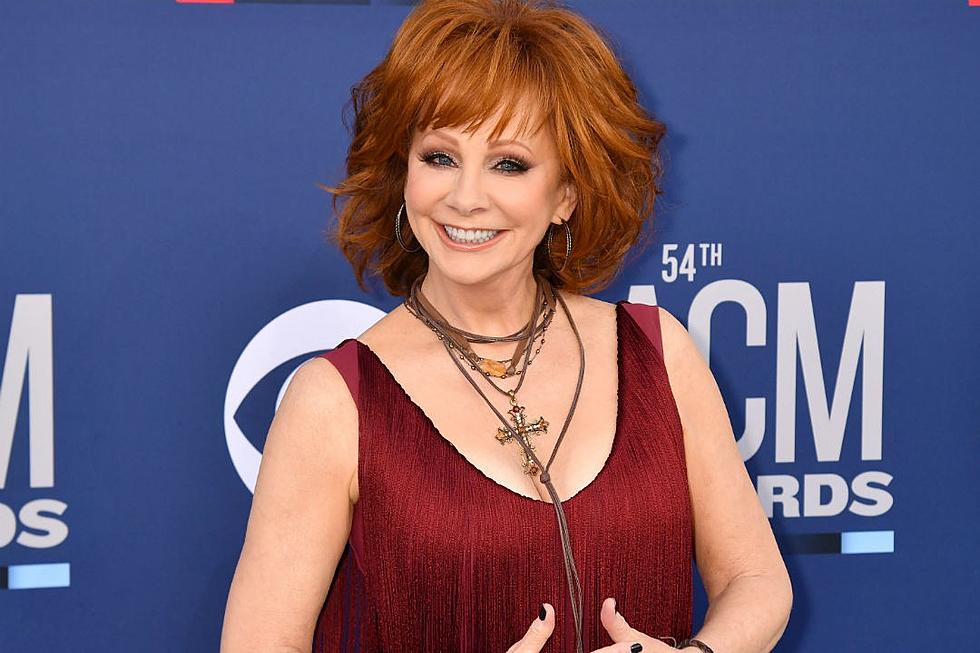
One singer described it as:
“The city telling you not to come back.”
Another said:
“It’s like something in the room changes. You know you’re not alone.”
Whether psychological, spiritual, or coincidental, these midnight moments are the core fuel behind the Midnight Curse narrative.
A Question That Terrifies the Industry: Who Will Leave Next?
Labels are scrambling to assess risk.
Promoters are redoing market forecasts.
Tour directors are revising routes for 2025 and 2026.
Streaming analysts are watching fan sentiment and engagement metrics shift in real time.
Rumors now indicate:
A Grammy-winning pop star is reconsidering her entire summer tour.
A Latin music superstar has frozen all NYC promotional activities.
One of the biggest names in country music asked her team to “monitor the situation closely.”
If even a single A-list artist publicly cites the Midnight Curse as a reason for withdrawal, analysts warn it could trigger the largest venue crisis in modern New York history.
City Officials Respond — But Add More Questions
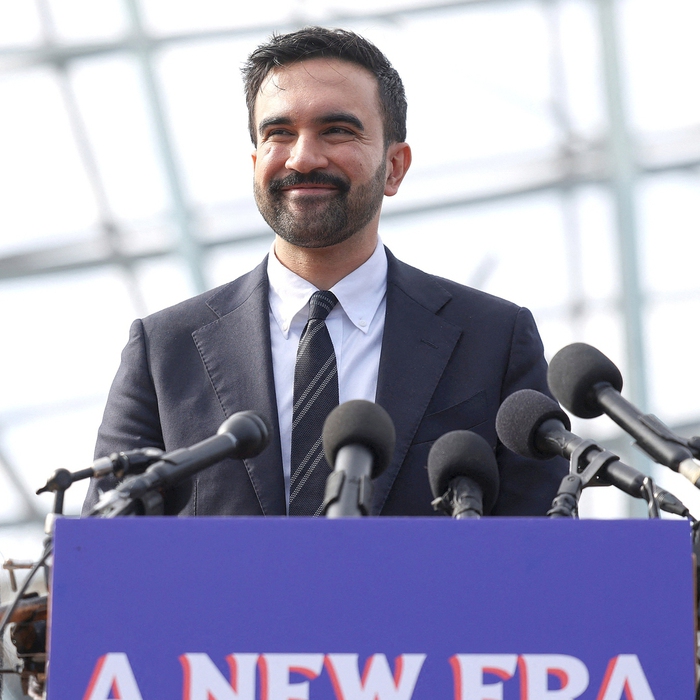
New York officials released a brief statement:
“New York remains the cultural capital of the world.”
But the reaction online was swift and critical.
Fans noticed what was missing:
No acknowledgment of the cancellations
No explanation for the exodus
No reassurance addressing artists’ concerns
No refutation of the Midnight Curse
The statement sounded defensive, not confident.
And in the silence, fear grew.
CEO-Level Analysis: What This Crisis Really Means
From an executive lens, the Midnight Curse is not about the supernatural. It is about signal disruption—psychological, economic, and cultural.
In business terms, New York is facing:
1. A Talent Drain
When creators feel unwelcome, markets collapse. The city risks losing its competitive edge in music tourism, live events, and cultural influence.
2. A Brand Erosion
New York’s reputation as a creative sanctuary is being challenged. Once the brand fractures, recovery becomes exponentially harder.
3. Market Instability
Unpredictable cancellations will force investors, sponsors, and promoters to reroute funding to more stable markets.
4. Cultural Realignment
Just as Silicon Valley shifted digital innovation, American cities like Nashville, Atlanta, and Austin may capitalize on New York’s cultural uncertainty.
5. Emotional Economics
Artistry is emotional labor. If performers feel psychologically endangered, no incentive—financial or otherwise—can compensate.
In short:
The Midnight Curse represents a crisis of trust, not superstition.
Final Verdict — A City Standing on a Cultural Fault Line
Whether the Midnight Curse is literal, symbolic, or a collective psychological response, one fact remains:
Artists do not abandon New York without a reason.
Not this many.
Not this quickly.
Not with this level of fear.
Singers are leaving.
Managers are nervous.
Fans are confused.
Venues are preparing for impact.
And insiders are whispering about a shift they cannot yet define.